- Shed Design & Planning
Why the cheapest builder quote almost always costs more in the long run
We break down what’s usually missing from cheap quotes — and what it ends up costing when things go wrong on site.
Why the Cheapest Builder Quote Almost Always Costs More in the Long Run
When you’re planning a new shed, workshop, warehouse or commercial building, getting a few quotes is the obvious place to start.
And it makes sense. You want to know what the project is going to cost, and nobody wants to pay more than they need to.
But there’s one mistake we see regularly:
Comparing quotes based purely on the number at the bottom of the page.
A $80,000 quote and a $70,000 quote might look very different on paper. But if the $70k quote excludes engineering, council costs, concrete, electrical works or other essential items.
You could be comparing a $250,000 starting price with a $280,000 finished project.
And that’s where the cheapest quote can become the most expensive option.
Building projects rarely go exactly as they appear on a basic quote.
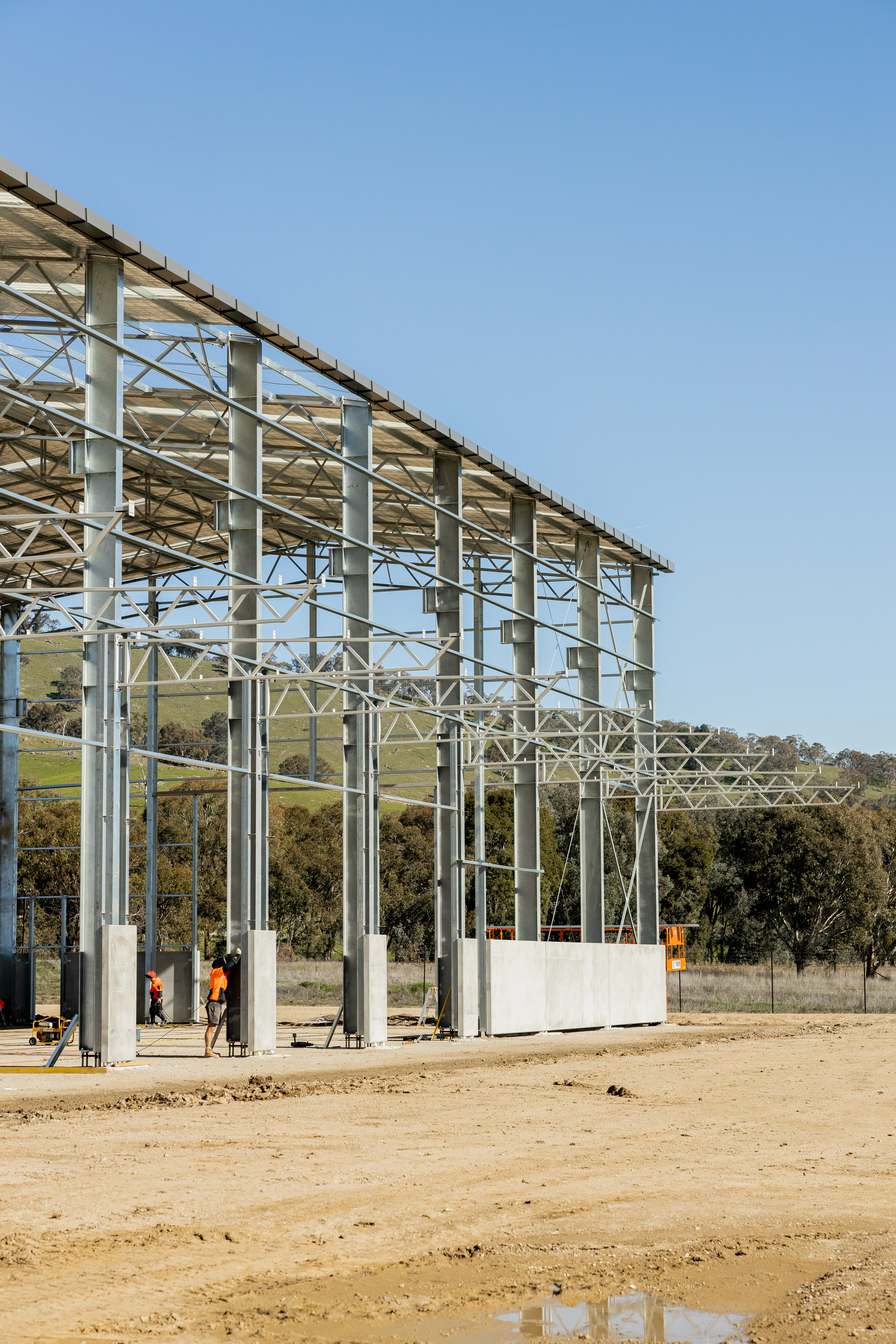
There are plans to prepare, engineering to complete, permits to obtain, site works to organise, concrete to pour, steel to manufacture, cladding to install and a long list of trades and materials that need to come together.
If these items aren’t properly accounted for from the beginning, they don’t disappear.
They become variations.
A quote might look attractive because certain costs have been left out or allowances have been kept unrealistically low. Once construction starts, those costs eventually need to be paid.
That can lead to the frustrating experience of watching the original quote steadily increase throughout the build.
At MRN, we believe you should have a much clearer picture from the beginning.
The real cost of getting it wrong
Beyond the hidden line items, there are costs that don’t show up in any quote but that poor project management and unlicensed work will eventually generate.
Delays. A build that runs over time costs money whether it’s continued rent on a temporary space, delayed production in a commercial operation, or simply the carrying cost of a project that isn’t finished. Delays almost always trace back to poor sequencing, underresourced crews, or permit problems that weren’t anticipated.
Rectification work. Work that doesn’t meet Australian Standards or NCC requirements will need to be fixed. On structural or roofing work, that can mean significant expense not just the cost of the repair but the cost of accessing the work, removing what’s there, and rebuilding it correctly. Licensed builders carry legal accountability for the work they deliver. Unlicensed operators don’t.
Insurance gaps. A building that wasn’t constructed by a licensed builder, or that wasn’t properly certified, may have insurance implications that don’t become apparent until you need to make a claim. This is a risk most clients don’t think about at the quote stage and one that can have serious consequences later.
What to look for when comparing quotes
You don’t need to be an expert to ask the right questions. Before you make a decision based on price, here’s what’s worth confirming with every builder you’re considering.
What to check in every quote:
- Does it include council permits and development approvals, or are these quoted separately?
- Is structural engineering and certification included?
- Does the price cover site preparation, or is that a separate scope?
- Who coordinates subcontractors the builder or you?
- Is the builder licensed in the state where the work is being done?
- What are the payment terms and how are variations handled?
- Does the builder carry public liability insurance, and is the project covered under a builder’s warranty?
These aren’t trick questions any legitimate builder should be able to answer all of them clearly. The ones who can’t, or who deflect, are usually the ones who’ve kept costs down by leaving things out.
Australian steel matters
The materials used in your building are another area where quotes can look similar while offering very different outcomes.
At MRN, we use Australian-made BlueScope steel, combined with Colorbond products where specified.
Using quality Australian steel gives us confidence in the material going into the structure and allows us to stand behind the quality of the finished product.
A building isn’t the place to cut corners simply to make a quote look cheaper.
The steel, connections, cladding and construction methodology all contribute to the performance and longevity of the finished structure.
You should know what you’re buying, not just what you’re paying.
“
The cheapest number isn’t always the best value.
At MRN, we don’t believe in winning projects by simply producing the lowest number on a spreadsheet.
We believe in properly scoping the job, using quality materials, working with experienced local trades and giving our clients a clear understanding of what their project will cost from the outset.
From council approvals and engineering through to concrete, steel, cladding, trades and final handover, we manage the process so you can focus on the finished building, not the problems along the way.
Because when you’re investing in a building that needs to last for decades, the cheapest quote isn’t necessarily the cheapest option.
The best value is getting the right building, built properly, for a price you understand from the beginning.
MRN. Built properly. Managed properly.
Ready to get a quote you can actually compare?
We scope every project in full permits, engineering, trades, and all. No surprises, no hidden add-ons. Tell us what you’re building and we’ll put together a complete picture.

-
- Agricultural Builds
How to plan a farm shed that actually works for how you farm -
- Shed Design & Planning
Cold form vs structural steel, which shed is right for your project? -
- Shed Design & Planning
The five questions to ask any builder before you sign a contract


No related posts.
The brief, delivered to your inbox
New articles on shed planning, construction, permits, and project management no spam, unsubscribe any time.
"*" indicates required fields